
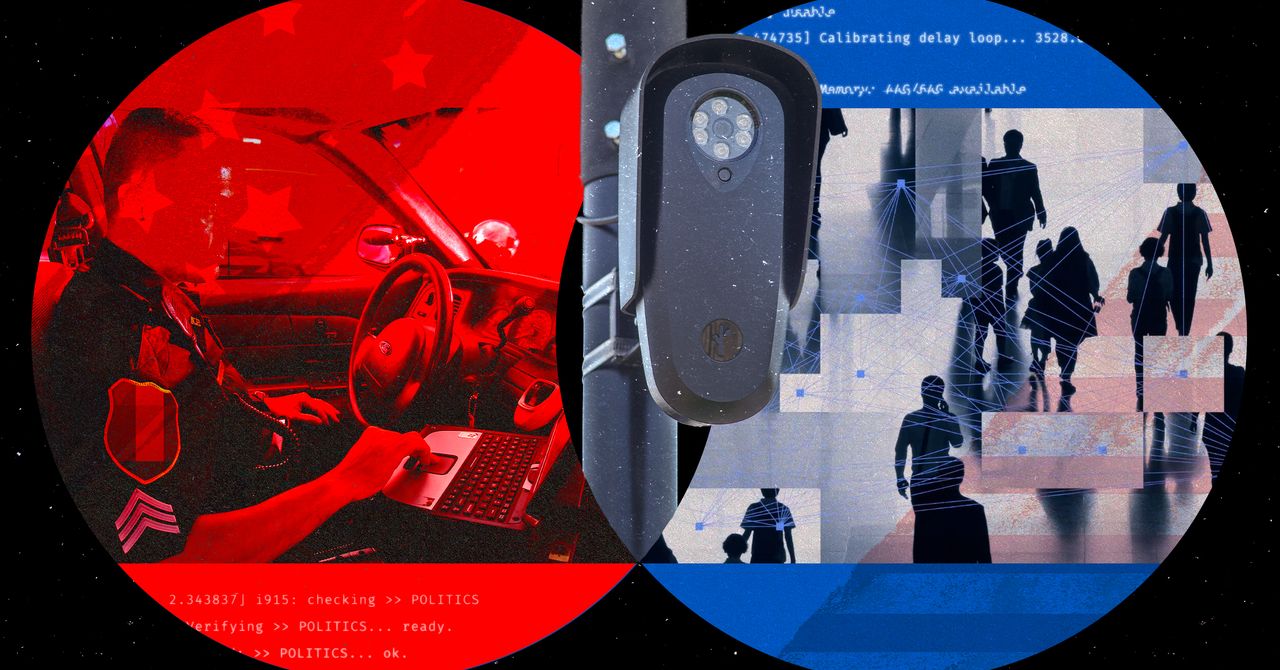
Oke, jadi kalian tau gak sih ada company namanya Flock Safety yang sekarang lagi jadi sorotan headlines di dunia cybersecurity dan privacy? Yup, Flock Safety develop software AI-powered yang bikin police bisa search orang di network camera-nya cuma dari written description. Bukan plate number, bukan face recognition - literally "orang pake scrubs" atau "cewek berbaju merah". Creepy?gw kasih tau, ini next level.
Gimana Sih Flock AI Search Bekerja?
WIRED rebuild Flock's latest search tool langsung dari code yang dikirim ke browser police officer. Jadi gini mekanismenya: officer bisa coret map sebuah area kota, terus bikin semua kamera di area itu jalanin automated search 24/7 buat siapa aja yang fitting written description. Literally like in movie heist - tapi versi real life dan jauh lebih invasive.
Tool ini termasuk dalam suite software yang udah jadi pusat dari dozens of police-stalking cases di US. Ada fitur namanya FreeForm yang accept written description doang - gak ada filter, gak ada batasan. Contoh yang diberikan system: "person wearing scrubs". officers bisa search pake deskripsi pakaian, tattoo, atau literally apapun yang mereka ketik. Meanwhile vehicle search ada filter menu - warna, body type, make, model, semua tinggal pilih.
Ada juga Smart Sort - officer approve atau reject setiap image yang return, dan beberapa vote itu rearrange ranking buat move footage yang mirip ke atas. AI model convert semua image jadi numbers, dan compare sama numbers dari description yang diketik. Everything happens on Flock's servers - department gak pernah see actual model decision process.
Fitur yang Bikin Expert Geleng-Geleng Kepala
Flock punya sistem moderation dengan tiga verdict: allow, block, atau warn. Sebelum search jalan, AI model score description against eight categories of sensitive content. Blocked categories termasuk race/ethnicity, religion, nationality, "subjective or biased terms", dan "offensive content".
Red flag number one: "Political, social, and cultural expression" adalah SATU-SATUNYA category yang CUMA dapet warning instead of block. Jadi kalo officer search "orang yang attend protest" atau "orang pakai kaos dengan symbolic message", mereka cuma bakal dapat warning + acknowledgment box + harus leave comment. After that? Click "Continue With Search Anyway" dan boom - dapet results.
Kate Ruane dari Center for Democracy and Technology bilang ini "an incredibly amorphous category" dan concern karena officers bisa use ini buat track protester atau activist. Category ini worries Flock enough sampe mereka kasih warning - "but you can still get the results if you just click through." Classic security theater.
Abuse Cases: 50+ Officers Caught Stalking
Ini yang paling chilling. Menurut Washington Post, at least 50 officers di US recently charged atau accused of misusing Flock's license plate readers. 46 of those cases involve Flock specifically. Over half - the target was wife, girlfriend, ex-partner, ex-partner's new boyfriend, atau wanita yang officer mau "meet".
Concrete examples:
- Milwaukee officer searched for woman he was dating 124 times dan former partner 55 times - logged each as "investigation"
- Georgia police chief ran ex-girlfriend dan her daughter 600 times, was charged, took his own life five months later
- Kansas chief ran his ex 164 times dan her boyfriend 64 times
- North Carolina officer ran her boyfriend's ex-wife 31 times dan filed 29 as traffic infractions
Flock bilang mereka udah implement changes per August - shortened default retention period, requires case codes for every search, adds automated auditing (Audit Assistance). Company says everything will be mandatory by end of year. BUT - WIRED examined the code dan menemukan bahwa Flock's guardrails "may discourage some abusive uses" and "will record them, but will not stop them." Crucially, department gak pernah see confidence score - semua happen on Flock's servers.
Geek Opinion: Guardrails Atau Just Security Theater?
Deepak Kumar, assistant professor UC San Diego yang studies trust and safety systems, nailed it: "This kind of logging can be useful administratively, to see which officers or end-users bypass warnings often, but that value depends entirely on whether anyone administrates it. It functions less as a deterrent and more as a record."
Exactly. Warning system ini basically like browser alerts buat malicious websites - motived users will just click through anyway. Kate Ruane juga pointing out kalo blocked categories bisa di-workaround. System blocks religion-based search tapi not clothing - jadi officer bisa search distinctive dress worn by some members of a faith instead. "Lots of people are having their images returned in response to these types of queries that would probably be upset if they knew about it."
Jay Stanley dari ACLU Speech, Privacy, and Technology Project agrees - filtering ini "a speck on the back of a giant surveillance machine" whose database can be probed for "your-imagination-is-the-limit fishing expeditions." Semua reform yang Flock implement aimed at "bad apple cops" dan leaves structural dangers of mass surveillance untouched.
Kesimpulan? Flock AI search tool adalah tech yang powerful - maybe too powerful tanpa oversight yang strict. Problemnya bukan cuma bad cops yang abuse, tapi juga infrastruktur yang bikin abuse jadi possible. Meanwhile gak ada transparency tentang gimana AI model reach decisions, dan gak ada independent party yang bisa audit accuracy-nya.
Ini bukan about being anti-tech atau anti-security. This is about asking the right questions: Who watches the watchers? Dan lebih penting - what happens when the watchers become the ones who need watching?
Sources: WIRED | 404 Media | Washington Post